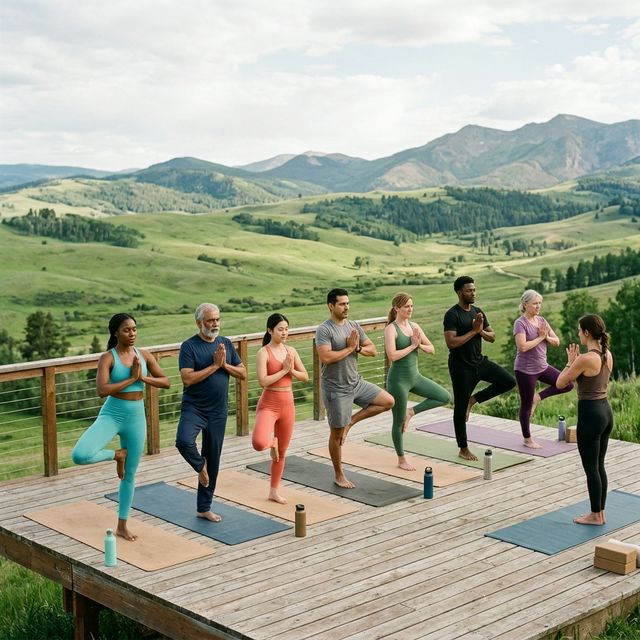
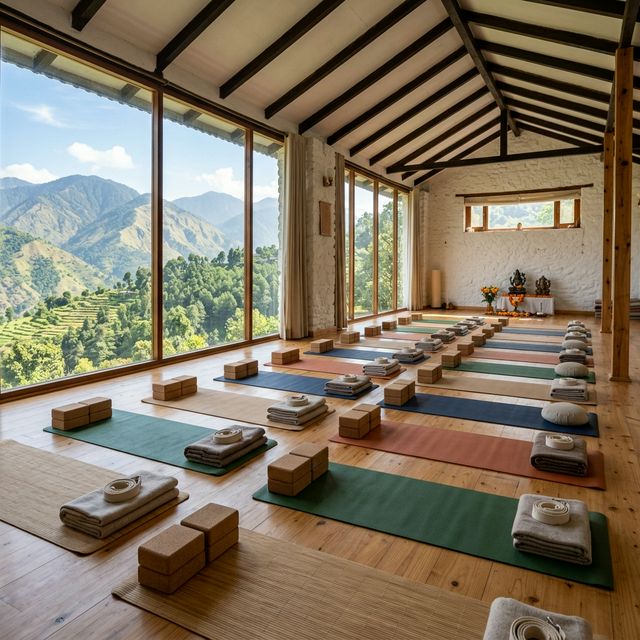
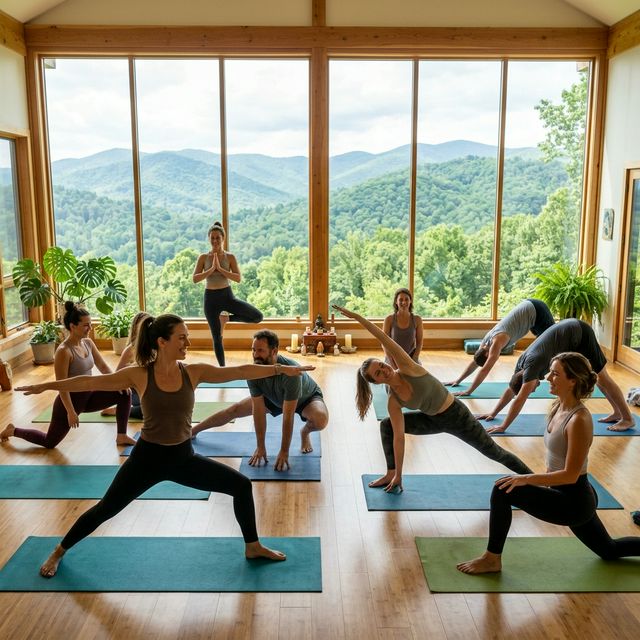
Overview
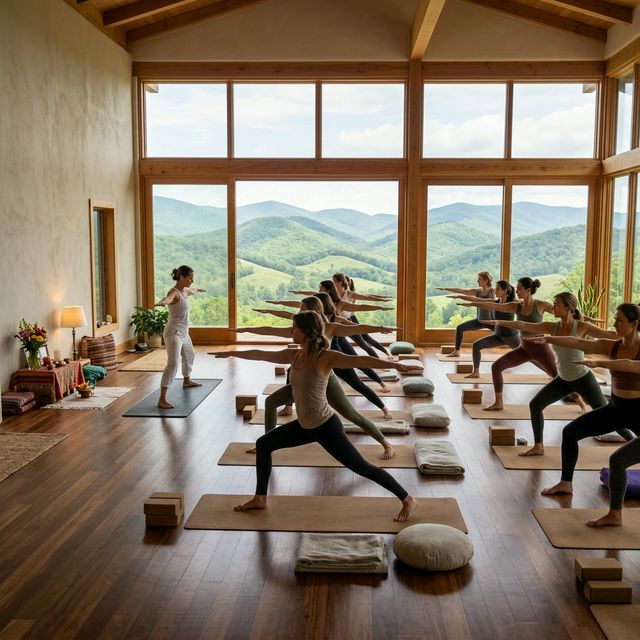
Set in the peaceful surroundings of Himachal Pradesh, this intensive training offers an opportunity to move beyond the basics and explore yoga with greater depth, precision, and awareness. Through traditional yogic teachings and structured practical sessions, you will study advanced asana variations, alignment and adjustment techniques, advanced pranayama, meditation, yoga therapy, classical yoga philosophy, teaching ethics, and professional teaching methodology.
Our approach integrates the physical, mental, and spiritual dimensions of yoga. You will develop a deeper understanding of body mechanics, breath awareness, mindful movement, effective class sequencing, and the art of guiding students with clarity and compassion.
Beyond technical knowledge, this journey encourages self-discipline, mindful observation, personal growth, and a deeper connection with the traditional wisdom of yoga. Through guided practice, teaching experience, and the supportive atmosphere of ashram life, you will have the opportunity to strengthen your teaching skills while continuing to evolve in your own practice.
At Shivadvait Yogashram, we believe that becoming a better yoga teacher begins with becoming a more aware and dedicated practitioner. This training is an opportunity to cultivate greater maturity, refine your teaching approach, and bring more authenticity and purpose to every class you lead.
Join Shivadvait Yogashram for 24 days of dedicated practice, traditional yogic wisdom, and meaningful personal transformation.
Deepen your knowledge. Strengthen your practice. Teach with confidence and awareness.
What's Included
Curriculum for 200 Hour YTTC
The Shivadvait Yogashram curriculum follows the standards for 200-hour yoga teacher training set by Yoga Alliance, USA. It is crafted by experienced and skilled yoga teachers and spans Techniques & Practice, Anatomy & Physiology, Yoga Humanities, and Professional Essentials.
24-Day Residential Program • Himachal Pradesh, India
Yoga Alliance USA Registration: School registration status should be verified against the current official Yoga Alliance directory before publication.
Location: Himalayan region, Himachal Pradesh, India. Altitude: Approximately 1,700 metres / 5,500 feet above sea level.
Contact: +91 7018309207
ABOUT THE PROGRAM
The 200-Hour Yoga Teacher Training Course at Shivadvait Yog Ashram is a proposed 24-day residential learning program designed to build a strong foundation in traditional yoga practice, yogic philosophy, anatomy, alignment, pranayama and meditation. Set in the peaceful Himalayan surroundings of Himachal Pradesh, the program combines structured instruction and supervised practice with opportunities to connect with nature.
Students explore Hatha Yoga and the dynamic principles of Ashtanga Yoga, develop breath and body awareness, study foundational yogic texts, and practise guiding selected yoga and meditation sessions. Forest meditation, suitable trekking, temple visits and outdoor excursions enrich the residential experience, subject to weather and local conditions.
DETAILED COURSE SYLLABUS
1. Hatha Yoga: Asana Practice
- Foundations of Hatha Yoga and traditional asana practice.
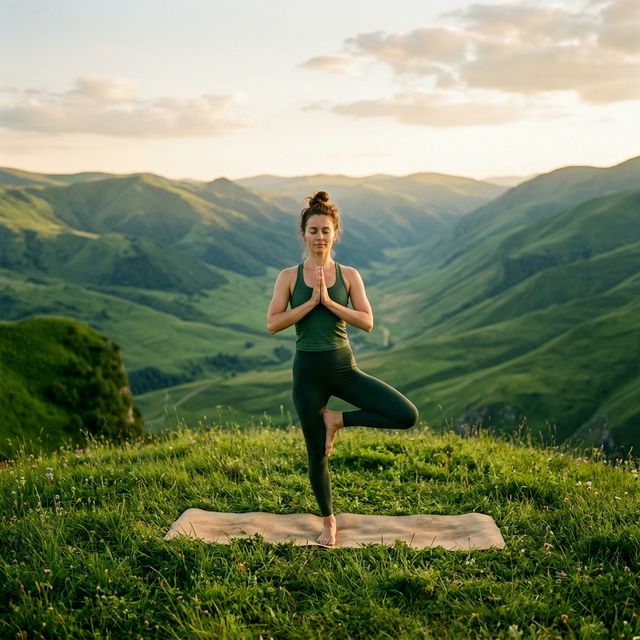
- Standing postures: Tadasana, Trikonasana, Virabhadrasana I and II.
- Seated postures: Sukhasana, Dandasana and Baddha Konasana.
- Forward bends: Paschimottanasana and Janu Sirsasana.
- Backbends: Bhujangasana, Shalabhasana and Setu Bandhasana.
- Twists, balancing postures, supine and prone postures.
- Surya Namaskar: step-by-step practice and safe transitions.
- Savasana, guided relaxation, posture benefits, contraindications and modifications.
2. Ashtanga Yoga Practice
- Introduction to the Ashtanga tradition and breath-synchronized movement.
- Surya Namaskar A and B.
- Standing sequence fundamentals and selected seated postures from the Primary Series.
- Vinyasa transitions, Ujjayi breathing and Drishti.
- Strength, flexibility, stamina, safe progression and suitable modifications.
- Key differences between Hatha Yoga and Ashtanga Vinyasa practice.
3. Pranayama and Breath Awareness
- Foundations of pranayama and natural breath observation.
- Diaphragmatic breathing and Dirgha Pranayama (three-part breath).
- Nadi Shodhana (alternate-nostril breathing), Ujjayi and Bhramari.
- Kapalabhati: principles, precautions and suitable modifications.
- Introduction to Bhastrika with screening and qualified supervision.
- Introduction to bandhas and mudras, breath awareness and meditation preparation.
4. Meditation and Yogic Relaxation
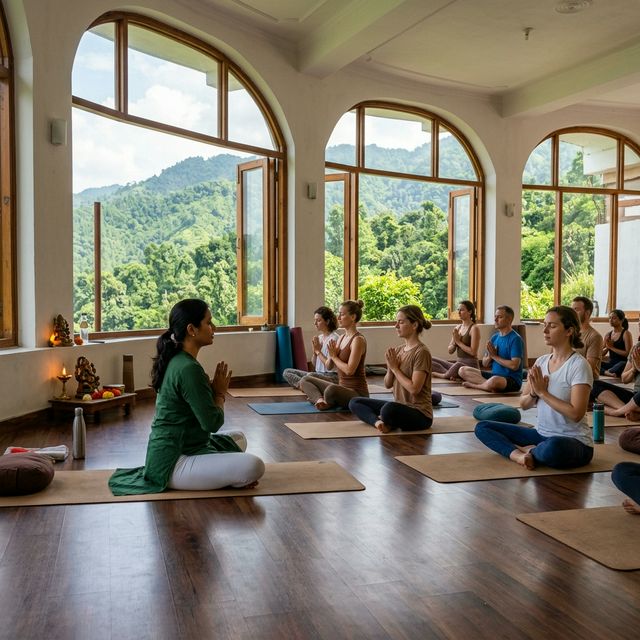
- Foundations of meditation, breath awareness and mindfulness.
- Sakshi Bhav (witness awareness), mantra meditation and Om meditation.
- Guided sitting meditation and body-scan meditation.
- Yoga Nidra and systematic relaxation.
- Concentration, working with distractions and developing a personal practice.
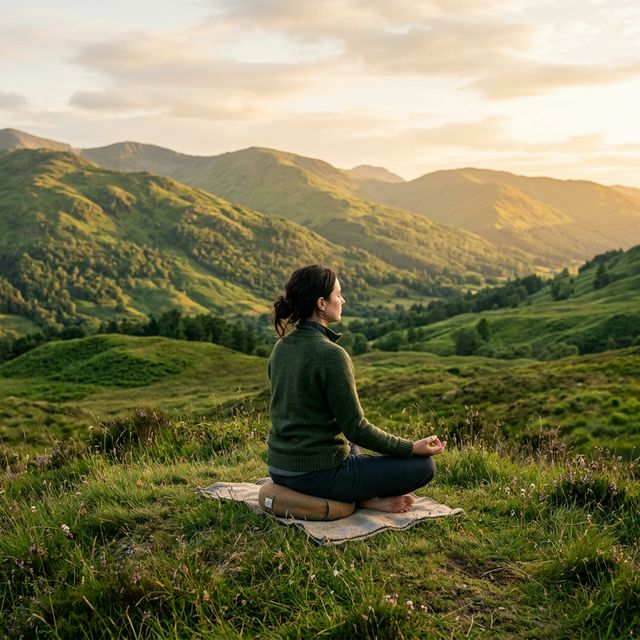
- Introduction to forest meditation and mindful walking.
5. Yoga Anatomy, Physiology and Alignment
- Skeletal system, major joints and muscle groups relevant to asana.
- Spine, pelvis, shoulder girdle, hips, knees, ankles and wrists.
- Flexion, extension, rotation, lateral movement, stability and mobility.
- Basic respiratory and cardiovascular physiology.
- Nervous system and stress response; relationship between breathing and relaxation.
- Common alignment errors, modifications, contraindications and injury-prevention principles.
- Safe transitions, individual differences and appropriate referral beyond a yoga teacher's scope.
6. Yoga Philosophy, History and Ethics
- Meaning, origins and historical development of yoga.
- Introduction to Vedic and Upanishadic traditions.
- Yoga Sutras of Patanjali and the Eight Limbs of Yoga.
- Yama and Niyama; introduction to the Bhagavad Gita.
- Hatha Yoga Pradipika and traditional Hatha Yoga.
- Asana, pranayama, pratyahara, dharana and dhyana.
- Karma Yoga, Bhakti Yoga and Jnana Yoga.
- Introduction to chakras, nadis, koshas and prana vayus as traditional concepts.
- Yogic lifestyle, sattvic food traditions, self-discipline and mindful living.
- Teacher ethics, inclusion, consent, professional boundaries and reflective practice.
7. Professional Practice and Supervised Practicum
- Responsibilities and ethical conduct of a yoga teacher.
- Planning and structuring a safe, beginner-appropriate yoga session.
- Clear verbal instructions, demonstration, observation and appropriate pacing.
- Sequencing, transitions, modifications and student safety.
- Consent, boundaries and safe approaches to hands-on adjustments.
- Peer teaching, supervised practice, constructive feedback and professional development.
HIMALAYAN OUTDOOR LEARNING
The ashram's Himalayan setting provides opportunities to connect yoga learning with the natural environment. Outdoor activities are supplementary experiences and count as formal training only when they include structured, documented instruction relevant to the curriculum.
- Forest Meditation: Practise silence, breath awareness and mindful observation in a natural setting.
- Himalayan Trekking: Explore suitable local trails according to weather, fitness, accessibility and safety conditions.
- Outdoor Excursions: Experience the surrounding landscape and practise mindfulness outside the classroom.
- Temple Visits: Learn about local spiritual traditions and make time for personal reflection.
- Nature Walks: Develop awareness of movement, breath and the natural environment.
EXAMINATION AND GRADUATION
Students are assessed on their knowledge, practical skills, participation and professional conduct. The school's documented assessment process may include the following:
| Assessment | Areas Assessed |
|---|---|
| Written Examination | Yoga philosophy, history, anatomy, pranayama and course concepts. |
| Asana Practical | Posture demonstration, alignment, modifications and safe transitions. |
| Pranayama Practical | Technique, instructions and precautions. |
| Meditation Assessment | Personal practice and ability to guide a basic meditation. |
| Supervised Practicum | Class planning, cueing, sequencing, pacing and student safety. |
| Professional Conduct | Attendance, participation, ethical awareness and readiness to teach. |
Students must meet the school's documented attendance requirements, complete the required instructional hours, participate in practical training and demonstrate the required competencies. Students who do not meet the required standard should receive feedback and, where appropriate, a defined opportunity for reassessment.
CERTIFICATION
Students who successfully complete the required training, attendance and final assessments may receive a 200-Hour Yoga Teacher Training Course completion certificate issued by Shivadvait Yog Ashram, subject to the school's active registration status and applicable certification requirements.
Graduates may then apply individually for the relevant Yoga Alliance credential. Registration is a separate process and is not automatic.
WHO CAN JOIN?
- Beginners who wish to build a foundation in yoga.
- Regular practitioners interested in developing teaching skills.
- Students interested in Hatha Yoga, Ashtanga Yoga, meditation and pranayama.
- People interested in yogic philosophy and mindful living.
- Aspiring yoga teachers seeking structured professional training.
Previous teaching experience is not required. Students should be prepared for an intensive residential learning environment and regular yoga practice.
WHY SHIVADVAIT YOG ASHRAM?
- A 24-day residential learning experience in the Himalayas.
- Hatha Yoga, Ashtanga practice, pranayama and meditation.
- Dedicated study of anatomy, alignment, philosophy and ethical practice.
- Supervised practical learning and final assessment.
- Forest meditation, suitable trekking, temple visits and outdoor excursions.
CULTURAL & EVENING EXPERIENCES
Alongside yoga practice and Himalayan nature experiences, students may enjoy devotional music, group singing and community activities that encourage connection, joy and reflection. Activities are arranged according to the ashram schedule, weather, safety and local conditions.
Mantra Chanting
Group chanting of traditional mantras to cultivate focus, calm and a meditative atmosphere.
Bhajan & Kirtan
Devotional songs and call-and-response chanting in a spirit of devotion and togetherness.
Singing & Music
Group singing and relaxed music sessions for creative expression and community bonding.
Dance & Movement
Joyful group dancing and simple movement activities, offered as optional recreational experiences.
Bonfire with Music
A supervised outdoor bonfire evening with music and group singing, when permitted and safe under local conditions.
A NOTE ON PARTICIPATION
These cultural and evening activities are supplementary experiences and are not counted as formal instructional hours unless they include structured, documented teaching relevant to the approved curriculum. Participation should be respectful of individual comfort, cultural differences and personal choice. Any bonfire must follow local rules and fire-safety precautions.
• A supportive environment for self-reflection, discipline and personal growth.
BEGIN YOUR YOGIC JOURNEY
Twenty-four days can be an opportunity to step away from daily distractions, establish a regular yoga practice and develop a deeper understanding of yourself. At Shivadvait Yog Ashram, students explore yoga through movement, breath, awareness, philosophy and mindful living in the peaceful Himalayan surroundings of Himachal Pradesh.
Shivadvait Yog Ashram
Kheel Jashli, Kumarhatti, Solan, Himachal Pradesh, India
Website: shivadvaityogashram.com
Contact: +91 7018309207
Before publication: Confirm the school's exact active Yoga Alliance listing, approved curriculum, trainer qualifications, instructional-hour records, attendance rules, assessment criteria, course fees and accommodation details.
Techniques, Training & Practice
New Module
Daily Schedule
A representative flow of the training day. Timing can be adjusted by the ashram when needed.
| 06:00 – 07:30 | Hatha Yoga |
| 08:00 – 09:00 | Pranayama / Mantra Chanting |
| 09:00 – 09:30 | Breakfast |
| 11:00 – 12:00 | Anatomy / Alignment |
| 13:00 – 14:00 | Lunch |
| 16:00 – 17:00 | Yoga Philosophy |
| 17:00 – 18:30 | Ashtanga Yoga |
| 18:30 – 19:30 | Meditation |
| 19:30 – 20:30 | Dinner |
| 21:00 | Lights Off |
SHIVADVAIT YOGASHRAM
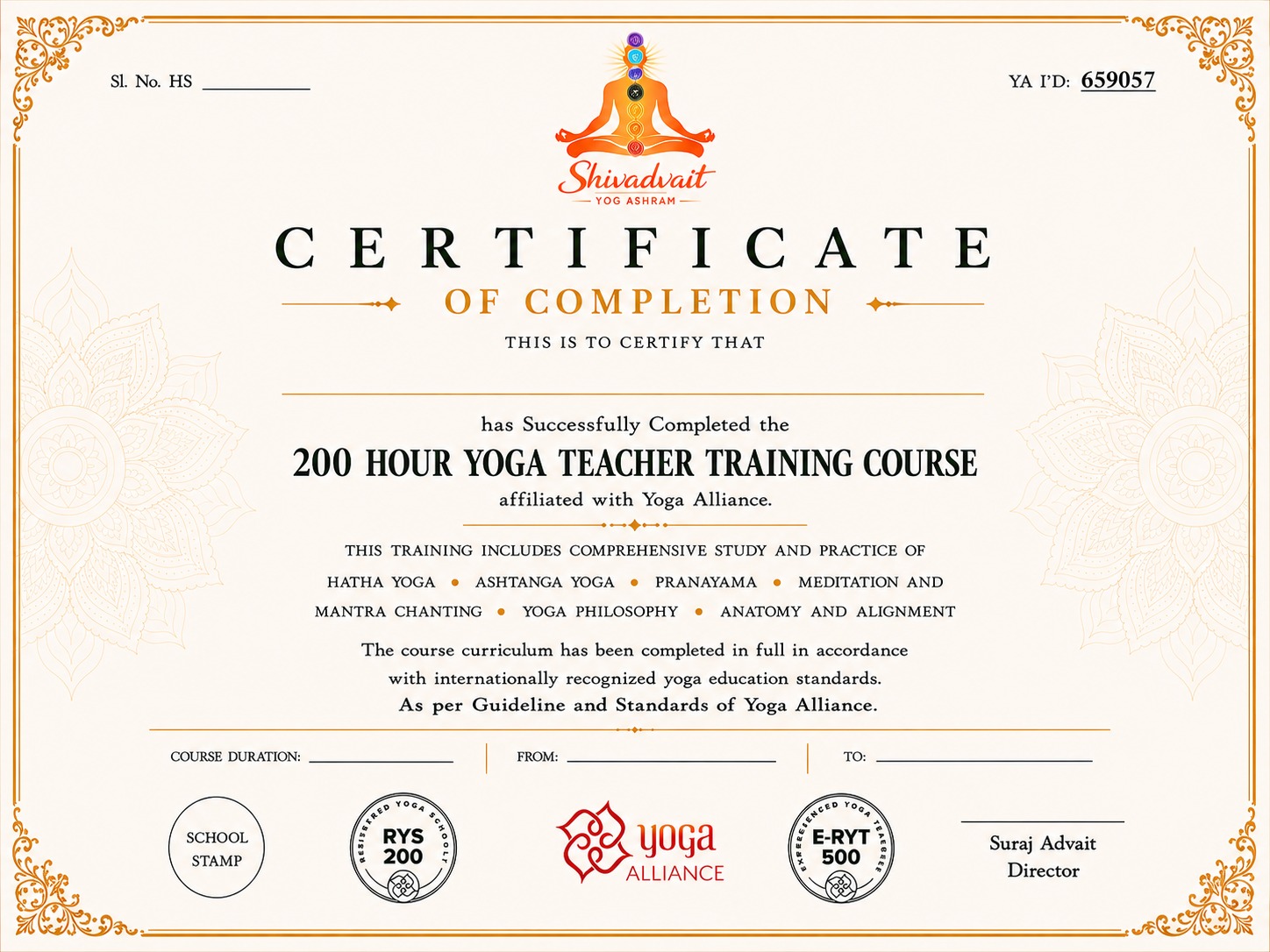
CERTIFICATE OF COMPLETION
- In recognition of the successful completion of the 200-Hour Advanced Yoga Teacher Training Program, an intensive 24-day journey dedicated to deepening yogic knowledge, refining personal practice, and enhancing teaching skills.
- The training encompasses advanced asana practice, alignment and adjustment techniques, pranayama, meditation, yoga philosophy, yoga therapy, teaching methodology, and professional ethics.
- May this achievement inspire a lifelong commitment to the practice, study, and authentic sharing of yoga.
Accommodation & Food
Comfortable Stay in the Heart of our ashram
Available room types:
• Private Room with Balcony
• 2-Shared Room with Balcony
• 4-Shared Room with Balcony
Nourishing Meals for a Yogic Lifestyle

Travel & Location
Visa
How to Reach the School
Upon arrival, visitors can travel by road via Kalka and Solan, with a journey time of approximately 5–6 hours through a well-connected highway route. The drive offers a smooth transition from the city into scenic surroundings.
For added ease and comfort, our dedicated taxi service is also available for direct pickup from Delhi Airport, ensuring a safe, reliable, and hassle-free journey straight to the Ashram
Weather at our ashram
Monsoon (July - September): Moderate temperatures, but little humidity and heavy rainfall, with highs around 20°C–28°C.
Winter (November - February): Chilly, with highs of 15°C–18°C and lows of 4°C–7°C.
Except Summer the temperature usually stays cooler
What to Bring
Footwear: Flip-flops or slip-on sandals, comfortable walking shoes.
Personal: Sunscreen, insect repellent, any personal medications, a refillable water bottle, notebook and pen for classes, small torch/flashlight.
Optional: Your own yoga mat if you prefer, a travel towel, a shawl or light blanket for meditation, ear plugs.
Electronics: Universal power adapter (India uses C, D, and M type sockets), smartphone or tablet for yoga resources.
Documents: Passport, visa printout, travel insurance, emergency contact details, and payment confirmation.
Nearby Stores
• Cafés and vegetarian restaurants
• Yoga clothing and accessory shops
• Organic food stores and juice bars
• Pharmacies and medical shops
• Stationery and bookstores
• ATMs and money exchange services
• Souvenir and handicraft shops
local main market (approx. 15–20 min walk) offers a wider range of shopping, grocery stores, and local markets.
Currency Exchange
• Major Indian banks (SBI, HDFC, ICICI)
• Authorised money changers in local market
• ATMs locally (accepts Visa and Mastercard)
Tips: Notify your bank before travel to avoid card blocking. Carry some cash as smaller shops and local services may not accept cards. Forex rates at banks are generally better than airport exchanges.
Plugs & Electrical Sockets in India
Local SIM Card
• Jio — excellent 4G/5G coverage, very affordable data plans
• Airtel — strong network coverage locally
• BSNL — decent coverage for rural areas
You can purchase a SIM card at the airport (Delhi) or at any mobile shop in local market. Requirements: your passport, visa, and one passport-sized photograph. Activation typically takes 2–4 hours.