Overview
This training helps you sharpen both your knowledge and your presence as a teacher. It is designed not only to expand what you know, but also to strengthen how you observe, sequence, guide, and hold space for students. If the 200-hour course builds the foundation, this 300-hour journey develops depth, precision, maturity, and confidence.
By the end of the program, you will feel more capable in your own practice and more prepared to guide others through a richer, more transformative yoga experience.
What's Included
Curriculum for 300 Hour YTTC
The 300-hour curriculum is designed for advanced students ready to deepen practical skill, subtle-body understanding, therapeutic awareness, and professional teaching capacity.
SHIV ADVAIT YOG ASHRAM
300-HOUR YOGA TEACHER TRAINING COURSE
Program: 28-Day Residential Advanced Training Program
Location: Shiv Advait Yog Ashram, Kheel Jashli, Kumarhatti, Solan, Himachal Pradesh, India.
Setting: Himalayan surroundings · Approx. altitude: 1,700 metres / 5,500 feet
Contact: +91 7018309207
ABOUT THE PROGRAM
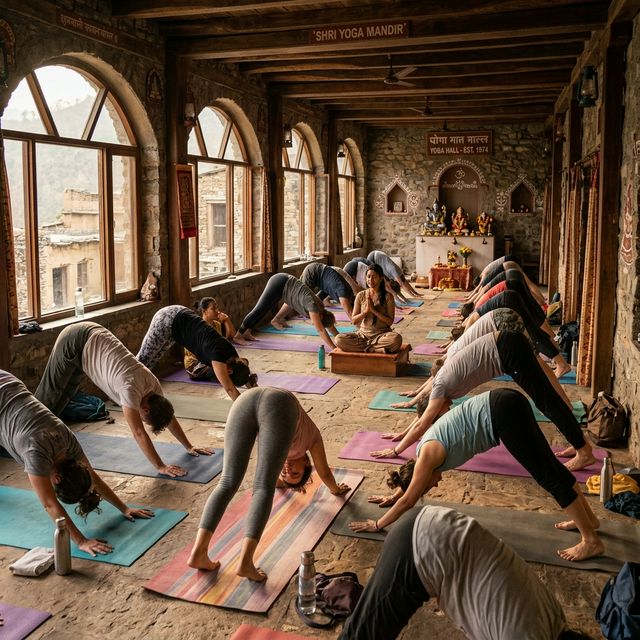
The 300-Hour Yoga Teacher Training Course at Shiv Advait Yog Ashram is an advanced 28-day residential learning program for yoga practitioners who have completed foundational training and wish to deepen their personal practice, understanding of yoga, and ability to guide others responsibly. The course explores advanced asana practice, pranayama, meditation, yogic philosophy, functional anatomy, alignment and supervised practical learning.
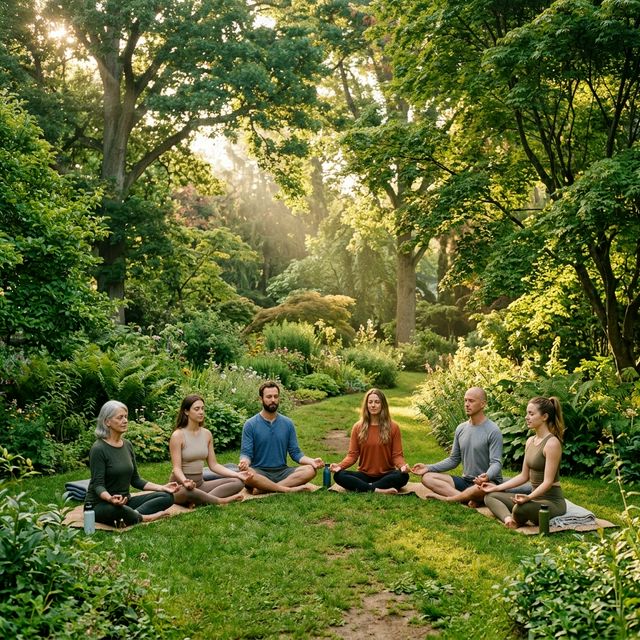
Students refine breath and body awareness, study traditional yogic concepts and apply their learning through structured practice, observation, reflection and assessment. Forest meditation, suitable trekking, temple visits and outdoor excursions may enrich the residential experience, subject to weather, accessibility and local conditions.
PROGRAM OVERVIEW
| Duration | 28 days |
|---|---|
| Program type | Advanced residential yoga teacher training |
| Core learning areas | Advanced asana, Hatha Yoga, Ashtanga Yoga, pranayama, meditation, philosophy, anatomy, alignment and supervised practice |
| Learning approach | Theory, demonstrations, individual practice, peer learning, reflection and assessment |
ADVANCED COURSE CURRICULUM
The following syllabus describes the principal areas of study for the 300-hour program. Course content and the allocation of instructional hours should be aligned with the school’s current approved curriculum, trainer qualifications and applicable registration requirements before publication as an officially approved curriculum.
1. Advanced Hatha Yoga and Asana Practice
- Refinement of foundational postures through stability, mobility, breath coordination and mindful awareness.
- Advanced variations and progressions for standing, seated, balancing, twisting, forward-bending, back-bending, prone and supine postures.
- Preparatory work and progressive development for arm balances and selected inversions, taught only where appropriate to a student’s experience and readiness.
- Functional sequencing principles, counterposes, transitions and the relationship between effort and relaxation.
- Use of props, regressions and progressive variations to support different bodies and practice levels.
- Observation of posture, common compensation patterns, individual limitations and safe options.
2. Advanced Ashtanga Yoga Practice
- Principles of breath-synchronized movement, vinyasa, Ujjayi breathing and Drishti.
- Refinement of Surya Namaskar A and B and selected standing and seated sequences.
- Study and practice of selected Primary Series postures and suitable preparatory variations.
- Transitions, movement efficiency, strength, stamina and sustainable practice habits.
- Appropriate modifications, contraindications and the importance of not forcing advanced postures.
- Comparison of the aims, pace and teaching considerations of Hatha Yoga and Ashtanga Vinyasa practice.
3. Advanced Pranayama and Breath Awareness
- Review of natural breathing, diaphragmatic breathing and three-part breathing.
- Progressive practice of Nadi Shodhana, Ujjayi, Bhramari and other suitable traditional pranayama techniques.
- Introduction to Bhastrika and Kapalabhati principles, with careful screening, contraindications and qualified supervision.
- Breath ratios and retention concepts introduced progressively and only when appropriate for the student.
- Foundational understanding of bandhas and mudras in traditional practice, with emphasis on safe, informed instruction.
- Recognizing when to reduce intensity, stop a technique or refer a student for appropriate professional advice.
4. Meditation and Yogic Relaxation
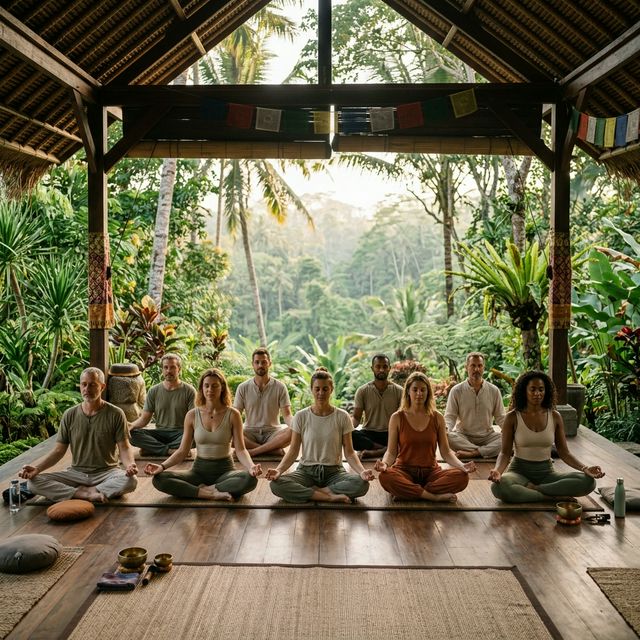
- Developing a stable sitting posture, attention, concentration and regular meditation practice.
- Breath awareness, mindfulness, Sakshi Bhav (witness awareness), mantra meditation and Om meditation.
- Guided meditation, body-scan practices, Yoga Nidra and systematic relaxation.
- Working skillfully with distraction, restlessness, dullness and expectations during practice.
- Mindful walking and forest meditation as opportunities to cultivate silence, sensory awareness and connection with nature.
- Ethical and inclusive guidance of simple meditation practices for students with different needs.
5. Advanced Anatomy, Physiology and Biomechanics
- Functional anatomy of the spine, pelvis, shoulder girdle, hips, knees, ankles, wrists and major joints.
- Major muscle groups, joint actions, stability, mobility and load management in yoga postures.
- Movement analysis: flexion, extension, rotation, lateral movement, weight-bearing and balance.
- Basic biomechanics of leverage, range of motion, force distribution and compensatory movement patterns.
- Respiratory, cardiovascular and nervous-system fundamentals relevant to yoga practice and relaxation.
- Understanding individual anatomical variation and avoiding claims that one alignment fits every body.
- Recognizing warning signs, reducing avoidable injury risk and understanding the limits of a yoga teacher’s role.
6. Advanced Alignment, Adaptations and Safe Practice
- Systematic observation of alignment and movement quality in selected asanas.
- Adapting postures for differences in mobility, strength, balance, experience and comfort.
- Use of props, wall support, alternative shapes and graded progressions.
- Risk awareness for backbends, twists, forward folds, inversions and weight-bearing postures.
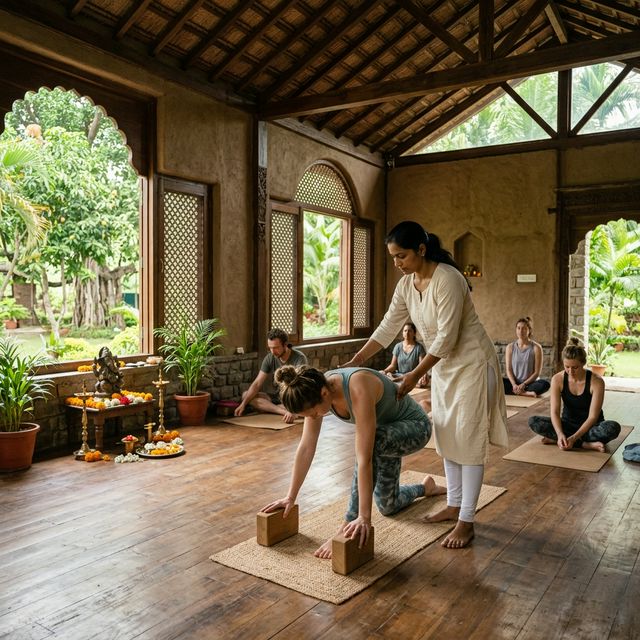
- Consent, boundaries and respectful communication when offering physical assistance; verbal and demonstrative options are prioritized.
- Creating a supportive learning environment and referring students to qualified health professionals when a concern falls outside the teacher’s scope.
7. Yoga Philosophy, History, Ethics and Lifestyle
- Historical development of yoga and an overview of major Indian philosophical traditions relevant to yoga.
- Yoga Sutras of Patanjali: the Eight Limbs, Yama, Niyama, practice, non-attachment and the cultivation of awareness.
- Bhagavad Gita: Karma Yoga, Bhakti Yoga, Jnana Yoga and the relationship between action and self-understanding.
- Hatha Yoga Pradipika and traditional perspectives on asana, pranayama, mudra, bandha and meditation.
- Traditional concepts of prana, nadis, chakras, koshas and prana vayus, presented in their philosophical and historical context.
- Yogic lifestyle, self-discipline, sattvic food traditions, reflection and mindful living.
- Professional ethics, inclusion, consent, confidentiality, boundaries and responsible representation of yoga.
8. Subtle Body Concepts and Integrated Practice
- Introduction to traditional subtle-body maps, including nadis, chakras, koshas and prana vayus.
- Relationship between breath, attention, meditation and traditional yogic descriptions of inner experience.
- Integrating asana, pranayama, relaxation and meditation into a balanced personal practice.
- journaling and self-observation to support steady, sustainable learning.
- Respectful distinction between traditional yogic frameworks and claims that require scientific evidence.
9. Supervised Practice and Practical Application
- Planning and delivering appropriately scoped yoga and meditation sessions for peers under supervision.
- Sequencing practices with a clear intention, logical progression, balanced effort and relaxation.
- Clear verbal cueing, demonstration, observation, timing and transitions.
- Offering options and modifications, checking student comfort and responding appropriately to feedback.
- Peer teaching, observation sheets, reflective practice and constructive feedback.
- Case-study discussions focused on adapting a practice to a learner’s goals, experience and stated limitations.
HIMALAYAN OUTDOOR LEARNING
The natural setting offers opportunities to connect yoga learning with the environment. Outdoor activities are supplementary experiences and count as formal training only when they include structured, documented instruction relevant to the curriculum.
- Forest Meditation: Practise silence, breath awareness and mindful observation in a natural setting.
- Suitable Trekking: Explore local trails according to weather, fitness, accessibility and safety conditions.
- Nature Walks and Outdoor Excursions: Develop awareness of movement, breath and the surrounding environment.
- Temple Visits: Learn about local spiritual traditions and make time for personal reflection.
EXAMINATION AND GRADUATION
Students are assessed on their knowledge, practical skills, participation and professional conduct. The school's documented assessment process may include the following:
| Assessment | Areas Assessed |
|---|---|
| Written Examination | Yoga philosophy, history, anatomy, pranayama and course concepts. |
| Asana Practical | Posture demonstration, alignment, modifications and safe transitions. |
| Pranayama Practical | Technique, instructions and precautions. |
| Meditation Assessment | Personal practice and ability to guide a basic meditation. |
| Supervised Practicum | Class planning, cueing, sequencing, pacing and student safety. |
| Professional Conduct | Attendance, participation, ethical awareness and readiness to teach. |
Students who successfully complete the required training, attendance and final examination may receive a 300-Hour Yoga Teacher Training Course completion certificate from Shiv Advait Yoga Ashram. Certificate issuance is subject to meeting the school’s documented course requirements and applicable registration rules. Any individual credential or registration with Yoga Alliance is a separate process and is not automatic.
WHO CAN JOIN?
- Yoga practitioners who have completed foundational teacher training or have equivalent substantial practice experience.
- Students seeking to deepen their understanding of Hatha Yoga, Ashtanga Yoga, pranayama and meditation.
- Practitioners interested in advanced anatomy, biomechanics, alignment and safe adaptations.
- Aspiring teachers who wish to strengthen their personal practice and supervised practical skills.
Applicants should be prepared for an intensive residential learning environment and regular physical and contemplative practice. Discuss practice limitations with the instructors so appropriate options can be considered. Confirm prior-training requirements and admission criteria with the ashram before enrolling.
WHY CHOOSE SHIV ADVAIT YOG ASHRAM?
- A 28-day advanced yoga teacher training experience.
- Advanced Hatha Yoga and Ashtanga-inspired practice, pranayama and meditation.
- Focused study of philosophy, functional anatomy, biomechanics and alignment.
- Final assessment and supervised practical learning.
- Opportunities for forest meditation, suitable trekking, nature walks and temple visits.
- A supportive environment for self-reflection, discipline and personal growth.
SPIRITUAL & CULTURAL EXPERIENCES
- Mantra Chanting: Group chanting to support focus, devotion and inner stillness.
- Bhajan & Kirtan: Devotional singing in a welcoming community setting.
- Dancing & Singing: Joyful movement and group singing as part of the ashram experience.
- Bonfire with Music: Evening gatherings, weather and safety permitting.
BEGIN YOUR YOGIC JOURNEY
Deepen your practice through movement, breath, awareness, philosophy and mindful living at Shiv Advait Yog Ashram. This 28-day program offers a structured learning environment for advanced study and personal reflection.
Shiv Advait Yog Ashram
Kheel Jashli, Kumarhatti, Solan, Himachal Pradesh, India
Website: shivadvaityogashram.com
Contact: +91 7018309207
Techniques, Training & Practice
Teaching Techniques of Asana Practice
Advanced Hatha Yoga
Advanced Ashtanga Vinyasa Yoga
Pranayama (Breathing Practices)
Mudra (Hand Gestures)
Bandha (Energy Lock)
Shatkarma (Cleansing Techniques)
Meditation
Yoga Therapy
History, Yoga Philosophy & Ethics
Ayurveda
Teaching Methodology
Teaching Practice
Professional Development
Exam & Certification
This certification honors not only what you know, but how well you can embody and communicate the teachings in a responsible and skillful way.
How We Assess Your Advanced Training
- Theory exams test your understanding of advanced asana work, philosophy, pranayama, meditation, yoga therapy, and Ayurveda.
- Practical exams assess posture demonstration, alignment awareness, sequencing logic, and the clarity of your verbal teaching.
- Teaching evaluation includes your ability to guide students safely, confidently, and with authentic presence.
- Consistent participation, disciplined attendance, and engaged study are required throughout the full training period.
Your Path to Advanced Certification
Accommodation & Food
Comfortable Stay for Intensive Study
Available room types:
- Private Room with Balcony
- 2-Shared Room with Balcony
- 4-Shared Dorm with Balcony
- Private Double Balcony Room (for 2 people)
Nourishing Meals for a Yogic Lifestyle
- Clean vegetarian meals are prepared to support long study days and stable energy.
- Ingredients are wholesome and based around grains, lentils, vegetables, fruits, and healing spices.
- A sattvic food approach helps keep the mind clear and the body light.
- Vegan, gluten-aware, and other dietary needs can be supported with prior notice.
Travel & Location
Visa
How to Reach the Ashram
By train: Kalka is the nearest major broad-gauge railway station and is the most practical railhead for students arriving from major cities. From Kalka, Kumarhatti can be reached by taxi in about 1 to 1.5 hours. Barog and Solan are also useful nearby stations on the Kalka-Shimla heritage route, followed by a short road transfer.
By road: Kumarhatti lies on National Highway 5 between Chandigarh and Shimla in Solan district, making it straightforward to reach by road. Buses from Delhi, Chandigarh, and nearby towns frequently travel toward Solan or Shimla; you can get down near Kumarhatti or Dharampur and take a local taxi for the last stretch.
Share your arrival details in advance if you would like help planning the smoothest final route to the ashram.